
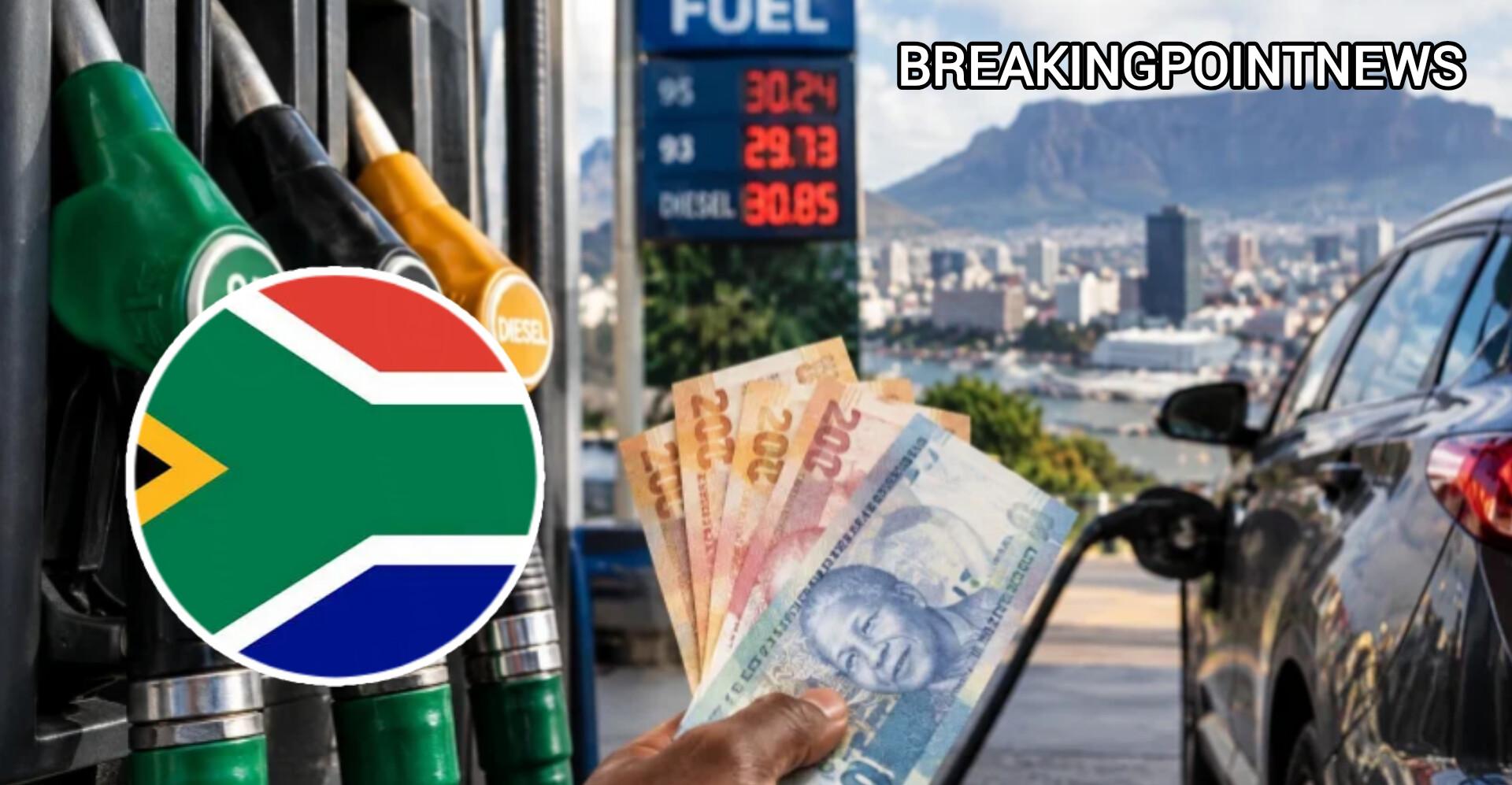
South African motorists are about to face another major increase at the pumps.
From Wednesday, October 7, 2026, petrol and diesel prices will rise sharply, with 95-grade petrol in Gauteng climbing above R30 a litre for the first time.
The increase is one of the biggest fuel-price shocks South African motorists have faced this year.
How Much Are Fuel Prices Going Up?
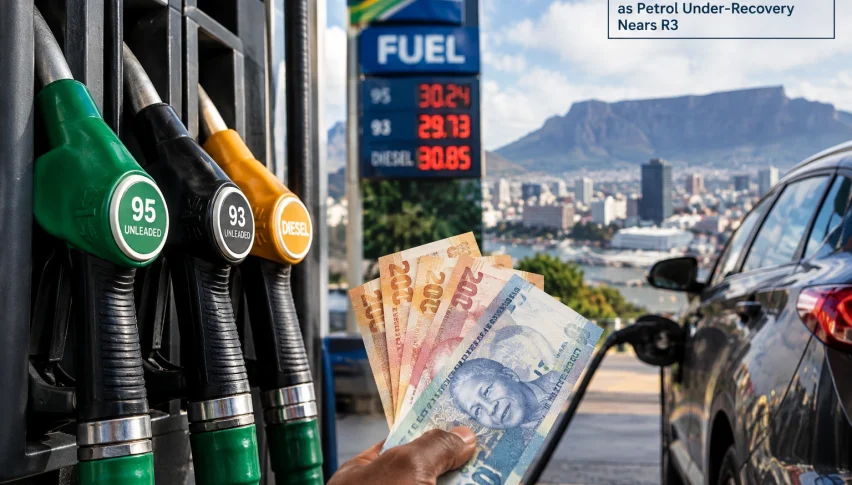
The official October adjustments are:
- Petrol 93: up R3.12 per litre
- Petrol 95: up R3.33 per litre
- Diesel 0.05% sulphur: up R2.84 per litre
- Diesel 0.005% sulphur: up R3.24 per litre
- Illuminating paraffin: up R3.58 per litre at wholesale level
The increases take effect nationwide on October 7.
In Gauteng, 95 petrol will rise to approximately R30.25 per litre, while 93 petrol will reach R29.88.
At the coast, 95 petrol will cost about R29.38 per litre.
Why Is Fuel Suddenly So Expensive?
The biggest pressure is coming from the international oil market.
South Africa's Department of Mineral and Petroleum Resources said the average Brent crude price increased from $87.89 to $101 per barrel during the review period.
The department attributed the jump to continuing tensions involving the United States and Iran, uncertainty around oil shipments through the Strait of Hormuz, higher shipping costs and falling global inventories.
South Africa imports crude oil and finished petroleum products, meaning international prices have a direct effect on what motorists pay locally.
The Rand Offered Little Relief
Normally, a stronger rand can help soften the effect of higher international oil prices.
But this time, the impact was minimal.
The average rand-dollar exchange rate improved only slightly, from about R16.213 to R16.212 per US dollar during the review period.
According to the government, that improvement reduced the fuel-price increase by only a fraction of a cent per litre.
In other words, the stronger rand was nowhere near enough to offset the surge in international oil prices.
Transport Costs Could Rise Too
The fuel increase does not stop at the petrol station.
Higher diesel and petrol prices can increase the cost of moving goods around the country. Transport operators, delivery companies and businesses that depend heavily on vehicles may face higher operating costs.
That can eventually feed into the prices consumers pay for food, deliveries and other everyday products.
It is one reason fuel-price increases can have a wider impact on the economy beyond motorists.
A New Record at the Pump
The move above R30 for 95 petrol in Gauteng is particularly significant.
It gives South African motorists another reminder of how quickly global energy shocks can affect domestic prices.
The government says the latest increase reflects international oil prices, petroleum-product costs, exchange-rate movements and the country's fuel-price stabilisation mechanism.
For motorists, however, the calculation is much simpler.
From October 7, filling up will cost considerably more.

Leave a comment
Your email address will not be published. Required fields are marked *