

Food is getting more expensive in Kenya, and for many households, the change is becoming impossible to ignore.
Families in Nairobi and other parts of the country are cutting back on groceries and, in some cases, reducing the number of meals they eat as the cost of staples such as maize, flour and vegetables rises. Recent reporting from Kenya shows that unpredictable weather is making an already difficult food-supply situation worse.
Kenya's latest official inflation figures underline the pressure. Annual food and non-alcoholic beverage inflation reached 9.5% in September 2026, according to the Kenya National Bureau of Statistics. Overall inflation stood at 6.8%.
The weather problem
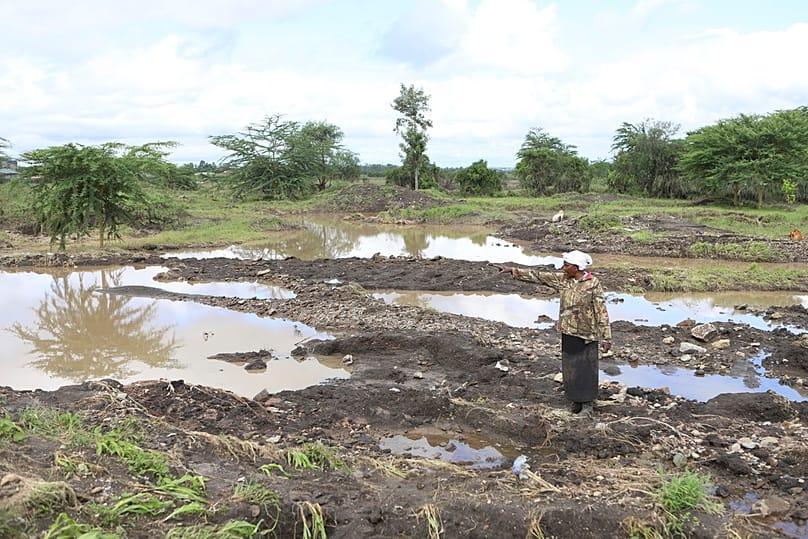
A large part of Kenya's agriculture depends on rainfall. That makes farmers particularly vulnerable when weather patterns become less predictable.
Recent dry conditions have affected agricultural production in some areas, while concerns are now growing about unusually heavy rainfall associated with an expected El Niño pattern.
That creates a difficult situation for farmers. Too little rain can reduce harvests, while excessive rainfall can damage crops and farmland.
Jackson Koimburi, a Kenyan climate change analyst, told Reuters that much of the country's agriculture remains rain-fed and therefore highly exposed to changes in rainfall patterns.
When harvests fall, prices can follow
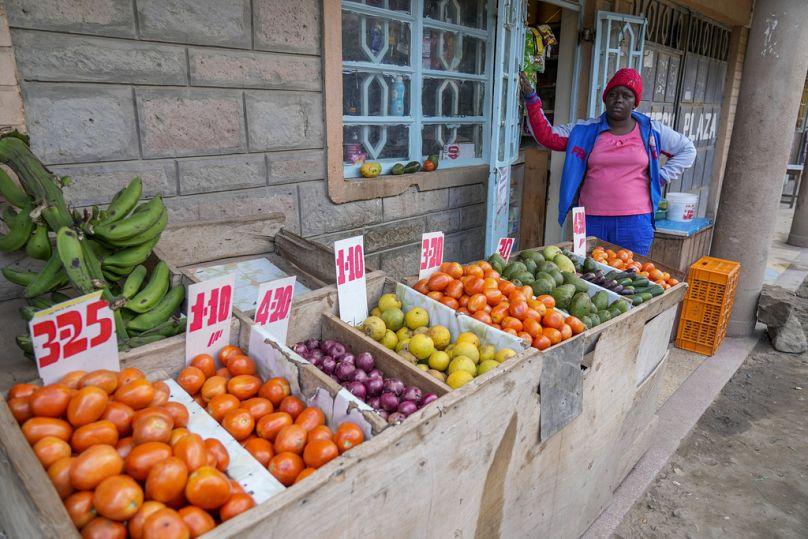
The connection between weather and food prices is fairly simple.
If farmers harvest less, there is less food available for markets. When supply falls while demand remains high, prices can rise.
The effects can spread beyond farmers. Transport costs, distribution problems and other pressures can add to the price consumers eventually pay.
In Nairobi, shoppers have reported having to buy fewer items than they normally would. Some families are also changing what they eat to cope with higher costs.
The problem is bigger than Kenya
Kenya's situation is part of a wider global food-price story.
The United Nations Food and Agriculture Organization said its global Food Price Index rose to 136.0 points in September, its highest level in almost four years. Cereal and sugar prices were among the major drivers, while adverse weather and disruptions to global trade added pressure to food markets.
That does not mean every increase in Kenyan food prices is caused by climate change. Local production, transport, fuel, imports and other economic factors also matter.
But for a country that depends heavily on rain-fed farming, climate-related disruptions can quickly become a household issue.
Millions already face food insecurity

The pressure is particularly serious in Kenya's arid and semi-arid areas.
An analysis released by the Integrated Food Security Phase Classification estimates that around 2.7 million people in these areas were experiencing crisis-level or worse acute food insecurity between July and October 2026. The report linked the deterioration partly to erratic rainfall, slow recovery of livelihoods and other vulnerabilities.
For these households, another increase in food prices can mean much more than a smaller shopping basket. It can affect whether families can consistently afford enough food.
Kenya is now facing a difficult balancing act.
Farmers need reliable weather and better ways to protect production from droughts and floods. Consumers need food prices that are manageable. And the country needs stronger systems for storing, transporting and distributing food when harvests are disrupted.
Climate change does not automatically mean food prices will rise every year. But increasingly unpredictable weather can make the food system more vulnerable to sudden shocks.
For Kenyan families already feeling the pressure, the issue is much more immediate.

Leave a comment
Your email address will not be published. Required fields are marked *