
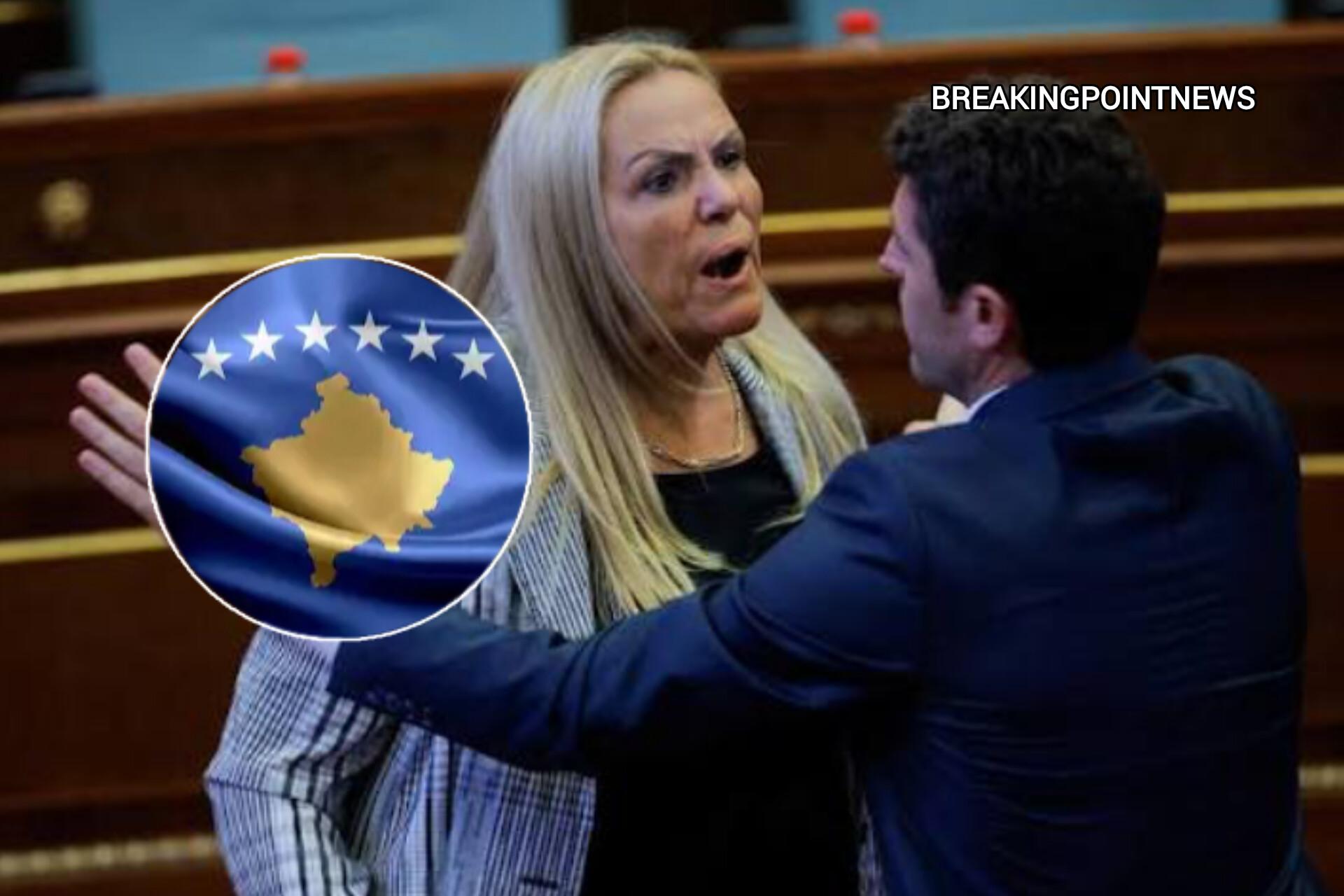
Kosovo has avoided another round of parliamentary elections after lawmakers finally elected Justina Shiroka Pula as the country’s new president.
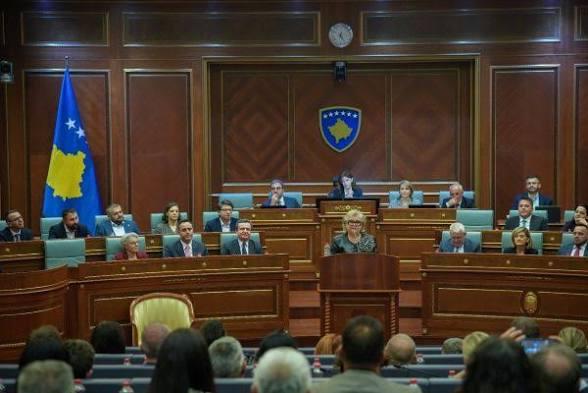
The vote came during a tense late-night parliamentary session, just before a constitutional deadline that could have pushed Kosovo toward another snap election.
Shiroka Pula secured 81 votes in the 120-seat parliament, narrowly reaching the required two-thirds majority. Her election brings an end to months of political uncertainty surrounding the presidency.
Who Is Justina Shiroka Pula?
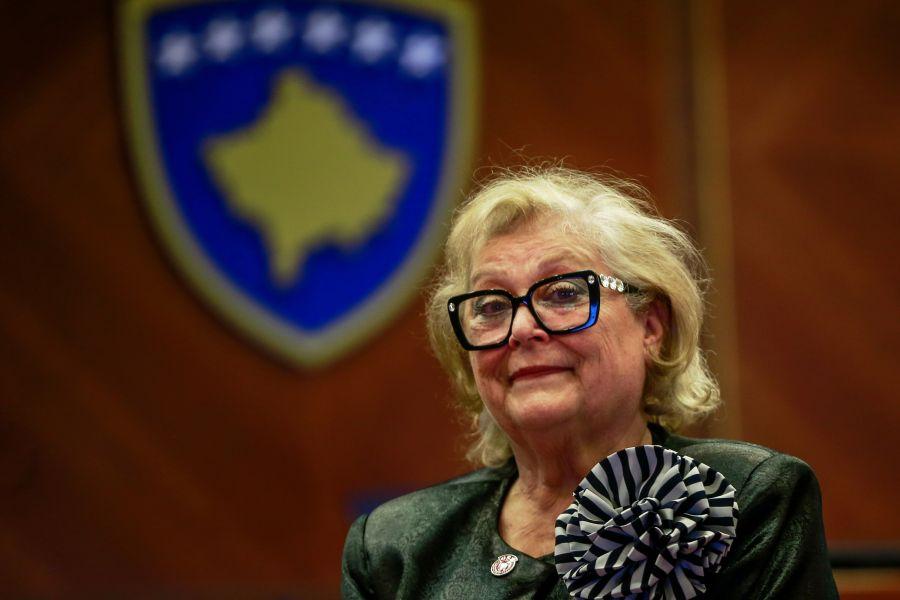
Shiroka Pula is an economist and academic who previously served as president of Kosovo's Academy of Sciences and Arts. She also served as economy minister between 2008 and 2011.
Her candidacy emerged as a last-minute compromise between Kosovo's ruling Self-Determination movement and the opposition Democratic Party of Kosovo.
In her first remarks after being elected, she said she would serve all citizens rather than one political group.
The presidency in Kosovo is largely ceremonial, but the president still has important responsibilities in areas including foreign policy and serves as commander-in-chief of the country's armed forces.
Why Was Another Election Possible?
Kosovo has been dealing with a prolonged political deadlock. Parliament had already gone through two early elections, and failure to elect a president could have triggered another vote.
That possibility was avoided when lawmakers reached enough support for Shiroka Pula's candidacy.
The breakthrough came alongside negotiations over legislation concerning the Kosovo Specialist Chambers, a war-crimes court based in The Hague.
Protests Add to Political Tension
The presidential vote comes at a difficult time for Kosovo.
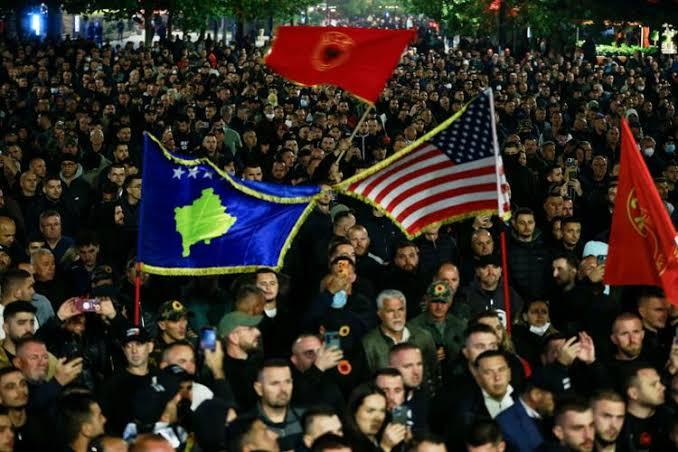
Thousands of people have protested against recent convictions of former Kosovo Liberation Army leaders by the Hague-based court. Former President Hashim Thaci and three other former commanders were recently sentenced for war crimes connected to the 1998–1999 conflict.
Protests in the capital, Pristina, became tense earlier this week, with police using tear gas and water cannons to disperse demonstrators.
The dispute over the court has become deeply emotional in Kosovo, where many people view the former KLA fighters as figures in the country's struggle for independence.
Shiroka Pula now faces the challenge of helping restore political stability after months of uncertainty.
Her election prevents another immediate parliamentary election, but it does not automatically resolve Kosovo's wider political disagreements.
The new president will also face important issues involving Kosovo's relationship with the European Union, domestic political divisions and the continuing controversy surrounding the Hague-based war-crimes court.

Leave a comment
Your email address will not be published. Required fields are marked *