
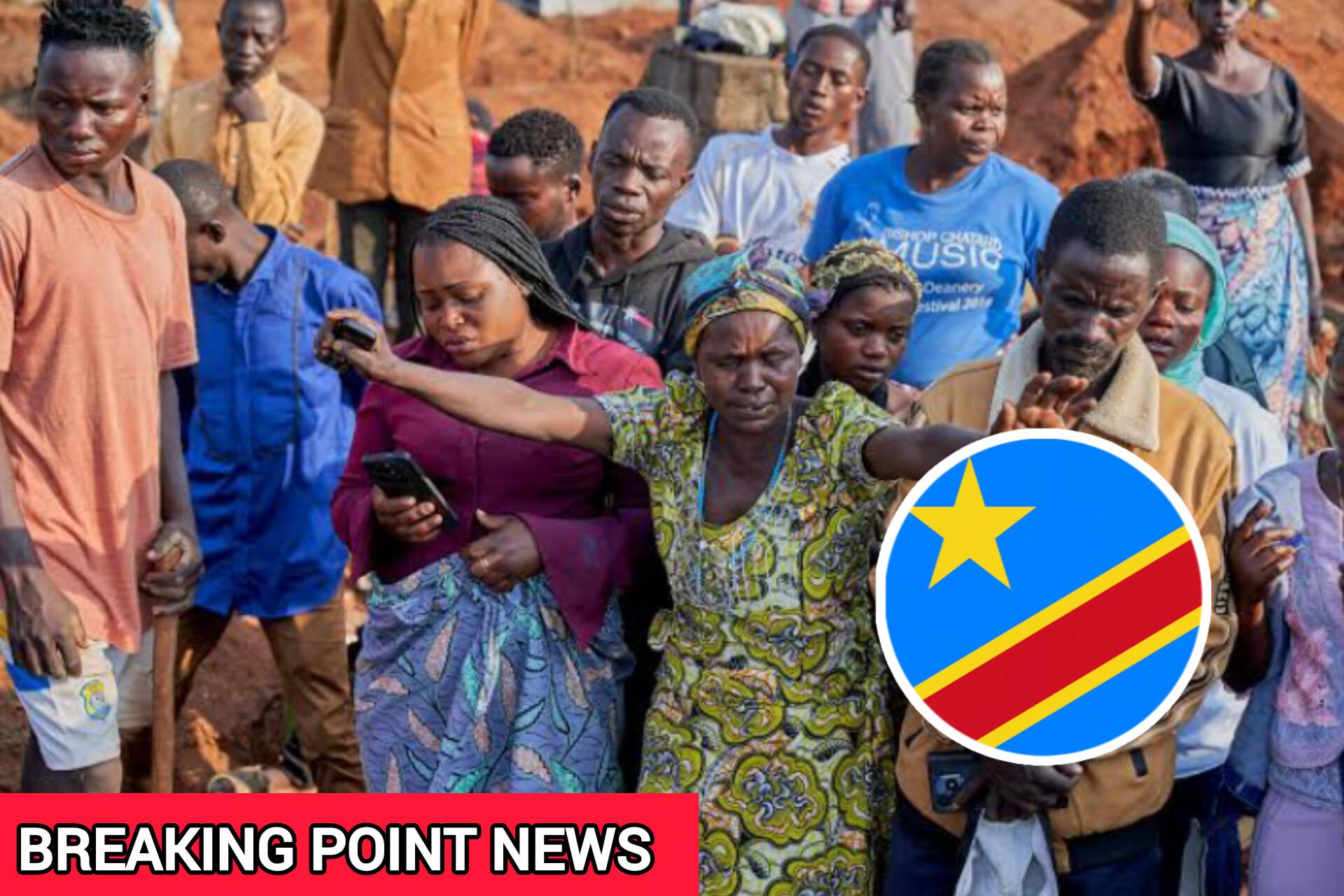
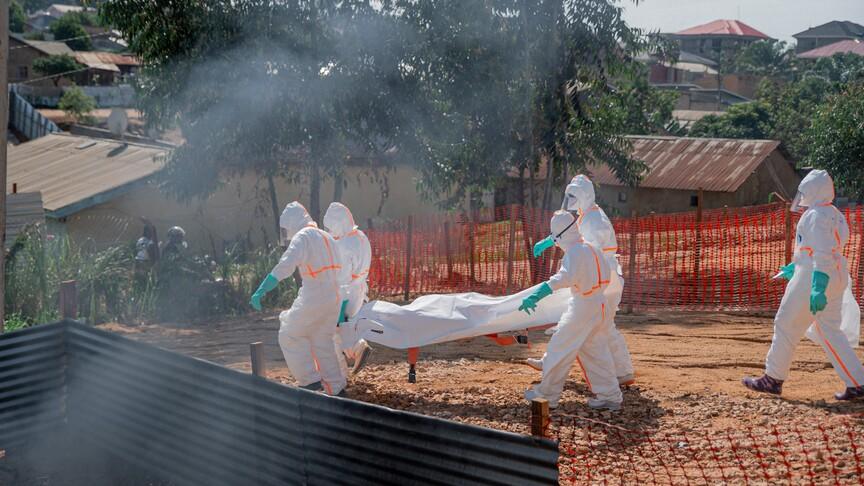
The Ebola outbreak in eastern Democratic Republic of Congo is creating another serious humanitarian crisis, with women and girls facing increased risks of gender-based violence as efforts to contain the virus disrupt normal life.
According to UNICEF, the outbreak has made already vulnerable communities even more difficult places for women and girls to live, particularly in Bunia and the Rwampara displacement site in Ituri Province.
Restrictions introduced to prevent the spread of Ebola have affected movement, access to markets and public gatherings. Although these measures are intended to protect communities from infection, they have also interrupted the small businesses and daily activities many women depend on to support their families.
For women involved in small-scale trading, the restrictions have meant losing important sources of income. As financial pressure increases, some face greater vulnerability to exploitation and abuse.
Access to healthcare has also become a concern. Fear of contracting Ebola has discouraged some people from seeking medical assistance, making it harder for women and girls to receive essential health services and support when they need it.
The situation is particularly concerning for families already living with displacement and economic hardship. The outbreak is not only threatening public health but also making existing social and financial problems worse.
In response, a local organisation is providing assistance to affected women and girls with support from donors. Its programmes include medical care, psychosocial support and vocational training designed to help participants develop skills and become more financially independent.
The initiative aims to address immediate needs while giving women opportunities to rebuild their livelihoods despite the difficult circumstances.
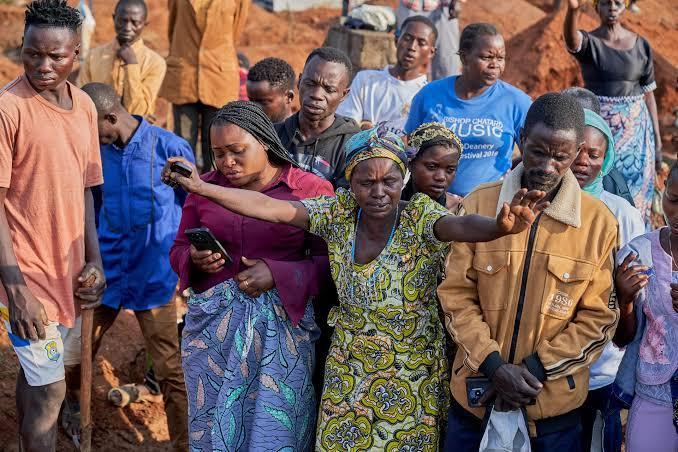
The latest warning highlights how disease outbreaks can affect communities far beyond hospitals and medical facilities. While controlling Ebola remains a priority, humanitarian organisations say protecting women and girls from violence and ensuring access to essential services must also be part of the response.
For communities in eastern DR Congo, the challenge is now twofold: containing the outbreak while making sure the people most at risk are not left without protection and support.

Leave a comment
Your email address will not be published. Required fields are marked *