
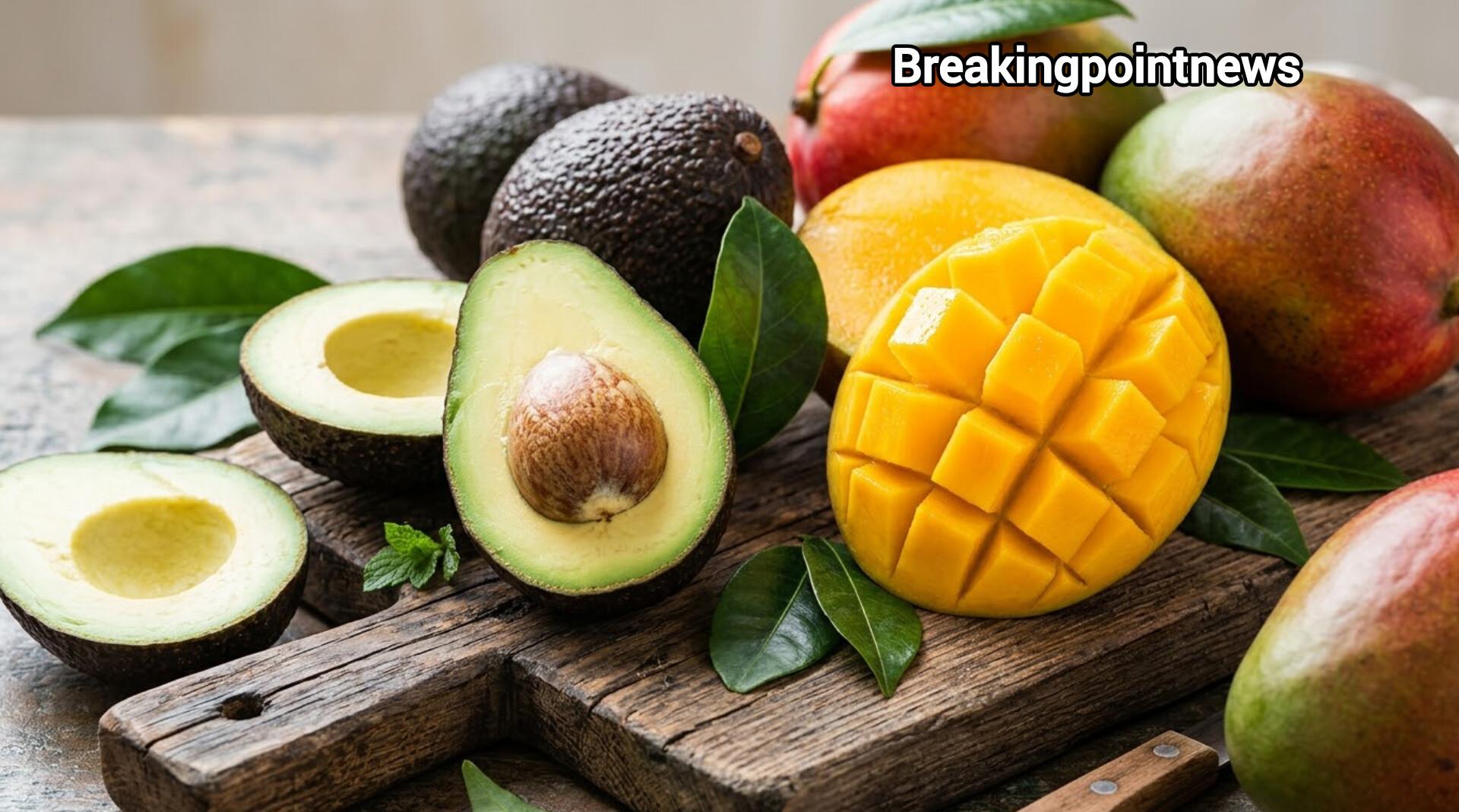
Avocados are famous for their healthy fats; mangoes for their sweet, juicy flesh. An unlikely pairing, perhaps but a study published in the Journal of the American Heart Association suggests combining them in your daily diet may give cardiovascular health a nudge in the right direction.
How the study worked
The randomized, partially controlled feeding trial enrolled 82 adults with prediabetes, with an average age of about 45 and an average BMI of around 30 (overweight or obese). Participants were split into two groups: one ate one Hass avocado plus one cup of fresh mango daily, while the other substituted equal-calorie, low-fat, low-fiber foods. The intervention lasted eight weeks, with women assigned 1,500 calories per day and men 1,750, with the rest of their intake self-selected.
The primary endpoint was flow-mediated dilation (FMD) a non-invasive measure of endothelial function, and endothelial dysfunction is an early marker of cardiovascular disease.
FMD improved by about 1 percentage point in the avocado-mango group, while it declined by roughly 1.2 points in the control group a statistically significant difference (P=0.008). In other words, blood-vessel dilation got better in the fruit group and worse in the control group.
Systolic blood pressure showed no significant change, but diastolic pressure differed between groups (central diastolic P=0.07; brachial diastolic P=0.03). Further analysis showed the effect was concentrated in men: central diastolic pressure rose by about 5 mmHg in the control group's men but fell by about 1.9 mmHg in the avocado-mango group a gap of nearly 7 mmHg. No significant difference was seen in women.
The fruit group also saw significantly higher intakes of total fruit, dietary fiber, vitamin C and monounsaturated fat. Body weight did not differ between groups, suggesting the improvements weren't driven by weight loss.
Fasting glucose, insulin, inflammatory markers (such as hsCRP and IL-6) and triglycerides showed no significant differences between groups. Some cholesterol measures (total cholesterol, LDL-C) trended favorably in the fruit group but did not reach statistical significance (P=0.09). Kidney function markers showed signs of slight improvement.
What researchers say and why to be cautious
Study author Britt Burton-Freeman of the Illinois Institute of Technology said the takeaway is encouraging: adding nutrient-dense foods to the diet, without drastic changes, may benefit heart health. Avocados supply monounsaturated fat and fiber, while mangoes are rich in vitamin C and phytonutrient complementary profiles that may partly explain the observed effects.
But the study has clear limitations. Eight weeks is too short to know whether these improvements persist long-term let alone whether they translate into fewer heart attacks or strokes. The participants were exclusively adults with prediabetes who were overweight or obese, so results can't be generalized to other populations. And with no avocado-only or mango-only arms, it's impossible to tell which fruit, which nutrient, or simply eating more fruit drove the change.
For ordinary consumers, the message is gentle: within a balanced diet, swapping low-nutrient snacks for avocado and mango may be a blood-vessel-friendly choice. It is not a prescription and certainly not a substitute for medication.

Leave a comment
Your email address will not be published. Required fields are marked *