In a moment that quickly captured public attention and social media buzz, members of Ghana’s Parliament ditched their usual Western suits and ties—and instead arrived wearing traditional fugu smocks for a legislative session. (Africanews)
What looked at first like a quirky fashion choice was actually a deliberate cultural and political message—one that resonated far beyond Ghana’s parliamentary chamber.
From “Blouse” Mockery to Cultural Pride
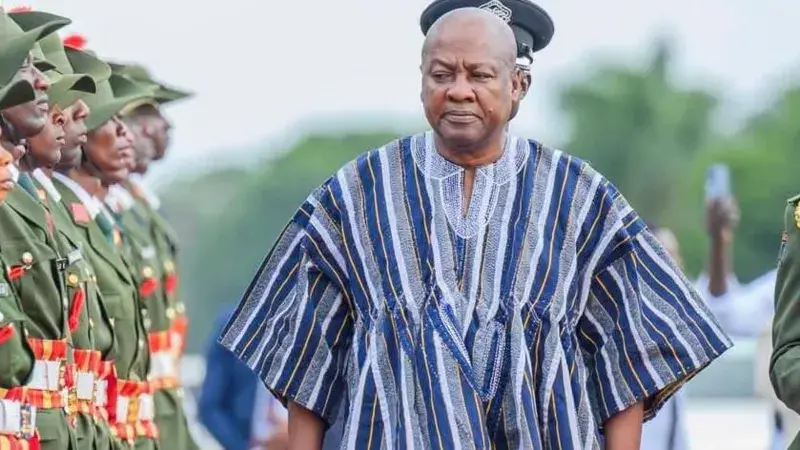
The unusual sartorial shift began not in Parliament but hundreds of kilometres away during a state visit by President John Dramani Mahama to Zambia. During that trip, Mahama appeared wearing a fugu—a northern Ghanaian smock also known as a batakari—and some critics on Zambian social media mocked the garment, calling it a “blouse” or “dress.” (Africanews)
Ghanaian lawmakers swiftly responded—not with words, but with action and attire. On the next parliamentary sitting day, MPs from across political parties turned up wearing the traditional smock instead of suits — a unified display of cultural identity, dignity, and pushback against the mockery. (Africanews)
One MP said the gesture was meant to show that the fugu isn’t a “blouse”—"it's the attire of warriors”—referencing its long-standing cultural significance in Ghana. (Africanews)
What Is the Fugu Smock?
The fugu—often called a smock—is more than just clothing. It is:
- Hand-woven from narrow strips of cotton, stitched with intricate patterns.
- Traditionally worn by northern ethnic groups like the Dagomba, Mamprusi, and Gonja.
- Historically associated with warriors and resilience.
- Popularized in the post-colonial era as a symbol of national pride and independence. In fact, Ghana’s first president, Kwame Nkrumah, famously wore similar traditional garments as part of asserting national identity at independence in 1957. (Wikipedia)
In recent years, Ghana has even designated weekly “Fugu Days” to encourage citizens to wear the garment and promote cultural heritage—reinforcing its symbolic importance beyond fashion. (Wikipedia)
More Than Style—A Statement of Identity
Ghana’s “Smock Parliament” was not just a photo-op. It was a collective cultural assertion that
- Rejected colonial-derived dress as the default for political dignity.
- Celebrated indigenous clothing as proper, powerful, and Ghanaian.
- Sent a message that traditional culture holds meaningful place in modern governance.
In an era of fierce discussions about national identity and pride across Africa, this gesture struck a chord—and quickly went viral online, sparking chatter, memes, and diplomatic good humour. (Africanews)
Diplomacy With a Smile
Interestingly, the reaction from Zambia’s leadership added a diplomatic twist: President Hakainde Hichilema joked that he might need to “upgrade his wardrobe” with a Ghanaian smock, helping turn cultural misunderstanding into light-hearted exchange and even a business opportunity for Ghana’s textile artisans. (Africanews)
Why This Matters
This moment in Parliament goes beyond clothes. It touches on:
- Post-colonial identity and self-confidence
- Cultural diplomacy in the digital age
- Political unity in the face of ridicule
- Promotion of local craftsmanship and heritage
For many Ghanaians, it was a reminder that tradition isn’t antiquated—it's a living symbol of unity and pride.
BreakingPoint News — where culture, politics, and national identity intersect.

Leave a comment
Your email address will not be published. Required fields are marked *