Saudi Arabia and Yemen's Houthi movement have exchanged fresh attacks, raising fears of a wider escalation as the conflict increasingly threatens civilians in both countries.
On Saturday, November 28, Saudi Arabia announced that its air defence systems had intercepted and destroyed a cruise missile launched towards the Riyadh region. The announcement was made by Turki Al-Maliki, spokesperson for the Saudi-led coalition supporting Yemen's internationally recognised government.
He confirmed the interception in a statement posted on X but did not disclose where the missile was launched from or provide details about possible damage.
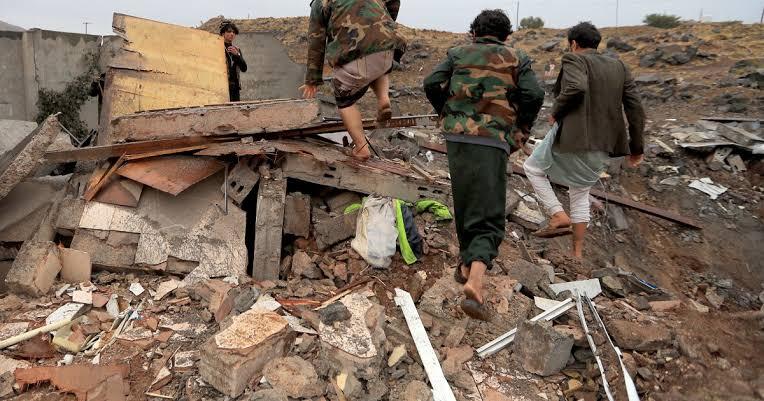
The announcement came as Houthi-affiliated media reported that Saudi airstrikes had hit a residential neighbourhood in Sanaa, Yemen's capital, which has been under Houthi control since 2014.
According to the Houthi-run Saba news agency, the reported strikes damaged eight homes and three commercial buildings in the Bir Abu Shamlah neighbourhood of the Al-Tahrir district. Houthi-affiliated Al-Masirah television reported that 13 people were injured. These casualty figures have not been independently verified.
The confrontation did not end with the Riyadh missile interception. Later on Saturday, the Saudi-led coalition also announced that it had intercepted a separate ballistic missile fired towards southern Saudi Arabia.
The latest developments are part of a wider escalation that has intensified since fighting in Yemen reignited over the summer. The Houthis have increasingly targeted Saudi territory, with reported attacks affecting airports, energy facilities and buildings in Riyadh's financial district. Saudi-led coalition forces have also continued operations against Houthi-controlled areas in Yemen.
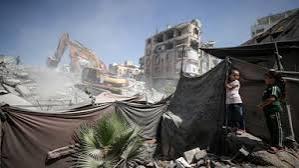
The consequences are particularly serious for Yemen, where years of conflict have already left millions of people dependent on humanitarian assistance. Further fighting risks damaging essential infrastructure, disrupting access to basic services and creating additional displacement.
With attacks continuing across the region, the latest exchanges highlight how fragile the security situation has become. Civilians on both sides remain exposed to the consequences of a conflict that has shown little sign of reaching a lasting resolution.

Leave a comment
Your email address will not be published. Required fields are marked *