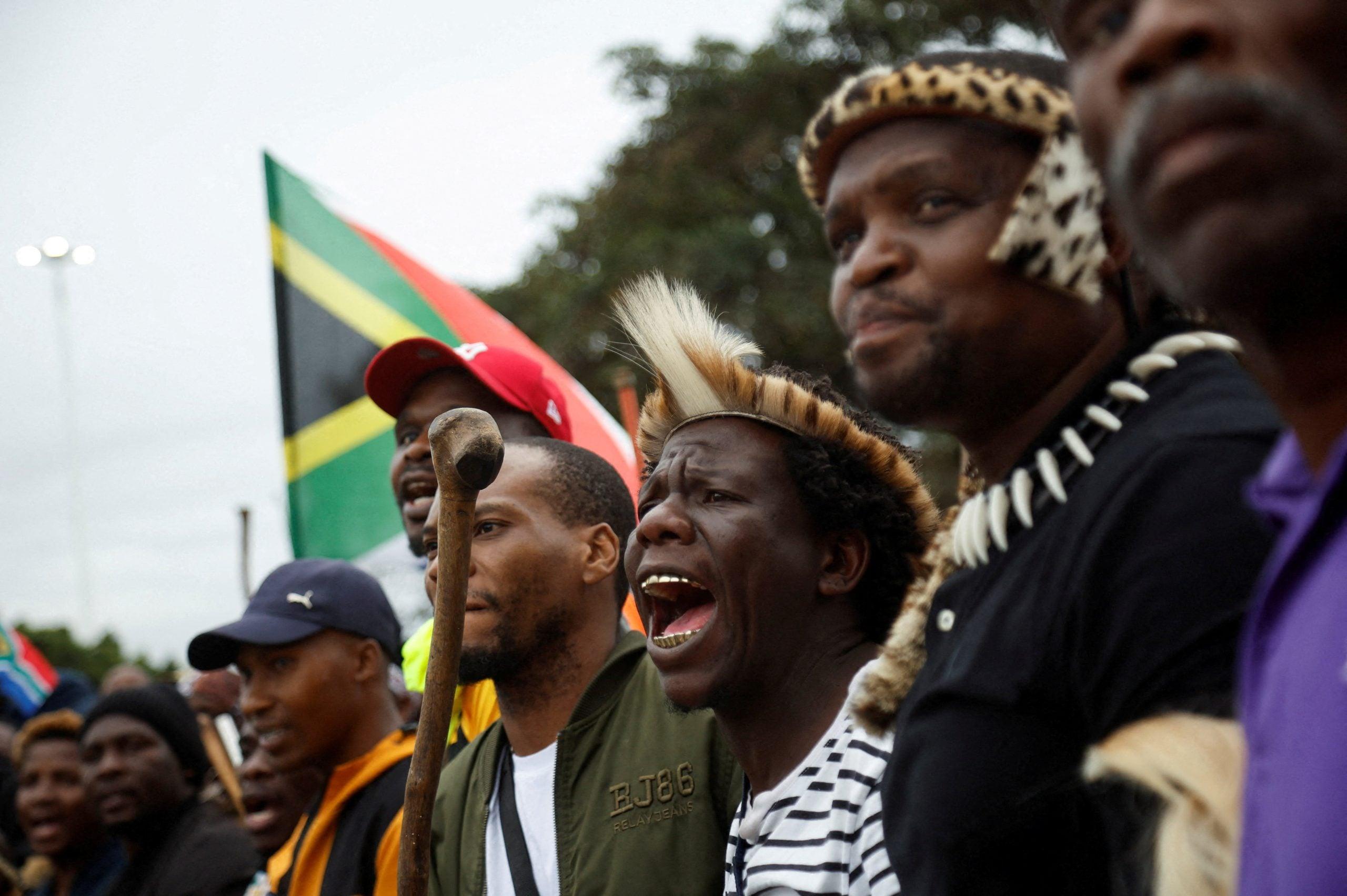
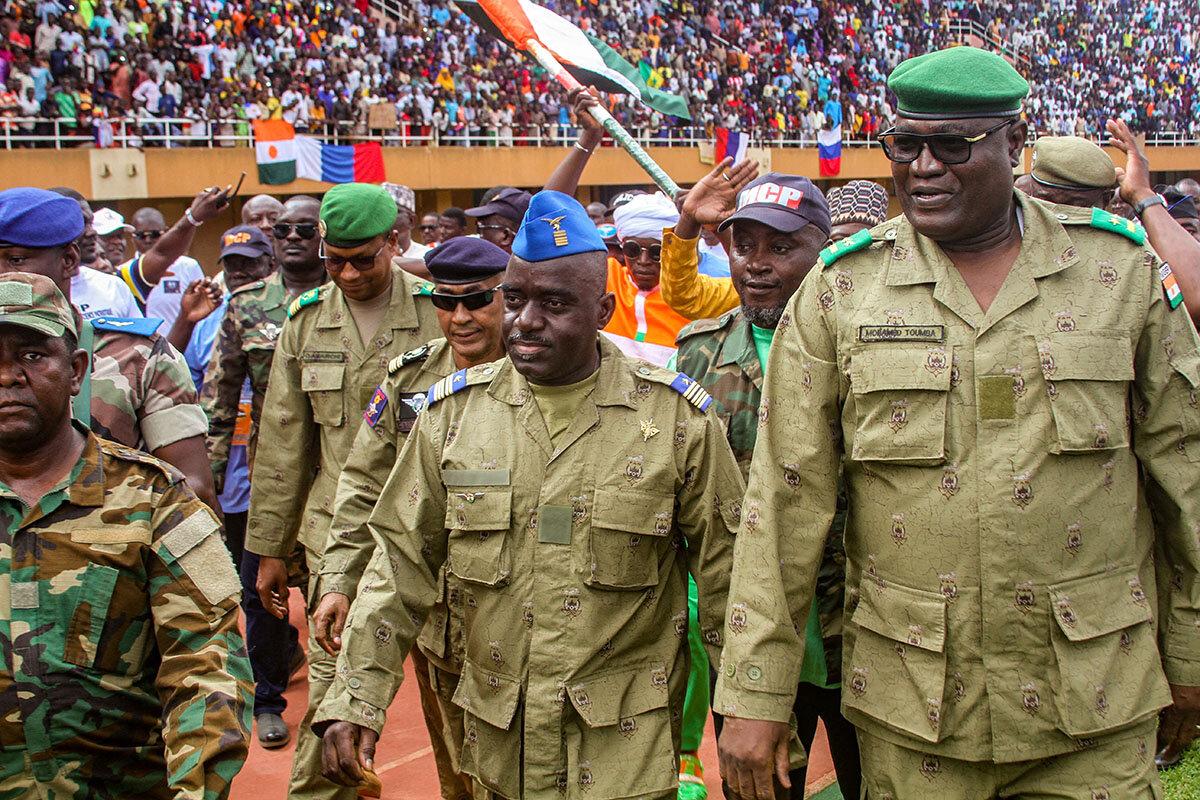
There’s growing tension in West Africa right now, and it all comes down to one question: who gets to decide what happens inside a country—its own leaders or outside powers?
That debate heated up after the European Union called for the release of Niger’s former president, Mohamed Bazoum.
But the response from the Sahel region was immediate .
“This Is Our Business”
Leaders from the Alliance of Sahel States—which includes Mali, Burkina Faso, and Niger didn’t hold back.
From their perspective, the EU’s statement wasn’t just a diplomatic opinion. It felt like interference.
The message coming out of the region is pretty clear: this is our situation, and we’ll handle it ourselves.
For these governments, especially after recent coups, sovereignty isn’t just a political term—it's something they feel they’ve had to fight to reclaim.
What Happened to Bazoum?
If you’re just catching up, Mohamed Bazoum has been detained since a military coup in Niger back in 2023.
The EU — along with several Western governments — has been pushing for his release ever since, arguing that he’s the country’s legitimate, democratically elected leader.
But the current authorities in Niger see things very differently. They’ve refused to release him, and they’re not showing any signs of backing down.
A Bigger Shift Happening
What’s happening here isn’t just about one former president. There’s a bigger shift taking place across the Sahel.
Countries like Mali, Burkina Faso, and Niger have been moving away from Western influence and building closer ties with each other instead.
That’s exactly why the Alliance of Sahel States was created — to strengthen regional cooperation without relying as much on outside powers.
So when the EU steps in with demands, it doesn’t land the same way it might have years ago.
Why This Is Turning Into a Standoff
From the EU’s side, this is about democracy and human rights. From the Sahel governments’ side, it’s about control and independence.
And right now, those two positions aren’t lining up at all. In fact, each new statement seems to push both sides further apart.
The Bottom Line
What we’re seeing is more than a disagreement — it’s a shift in power dynamics. The Sahel states are making it clear they don’t want outside actors calling the shots anymore. And the EU, at least for now, isn’t backing off its position either.
So this situation? It’s far from over.

Leave a comment
Your email address will not be published. Required fields are marked *