
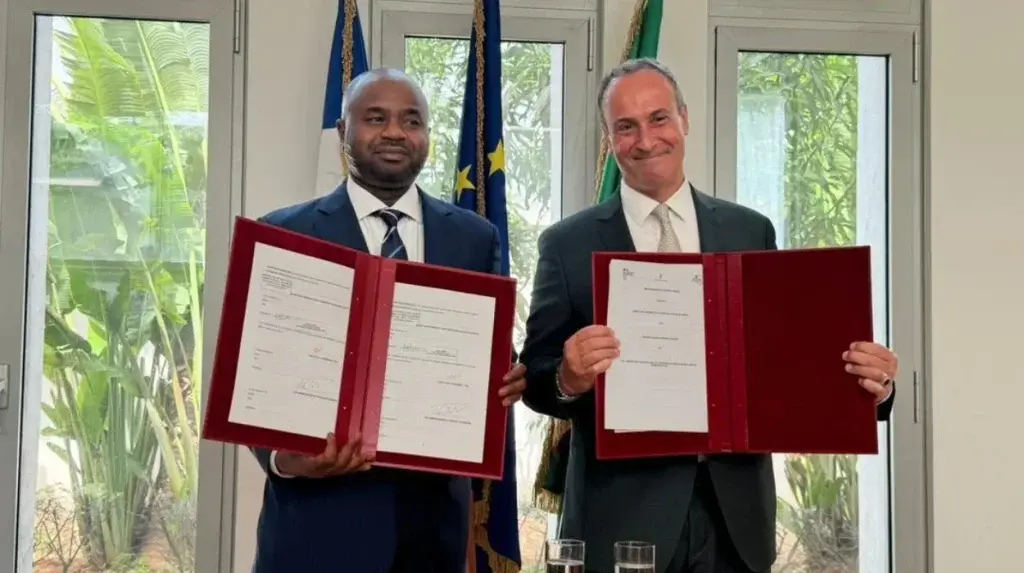
The Nigerian government has signed a high-profile tax cooperation agreement with the French government, marking a major shift in how the country aims to modernize revenue collection—but the deal has ignited intense public debate over transparency, national sovereignty, and the future of tax administration in Nigeria. (arise.tv)
What’s the Deal?
On December 10, 2025, Nigeria’s Federal Inland Revenue Service (FIRS) and France’s tax authority—the Direction Générale des Finances Publiques (DGFiP)—signed a Memorandum of Understanding (MoU) in Abuja. The pact is designed to boost digital transformation of Nigeria’s tax system, enhance compliance, and strengthen institutional capacity ahead of the transition to the new Nigeria Revenue Service (NRS) in January 2026. (The Nation Newspaper)
Under the agreement:
- France will support digital tax tools, data analytics, and enforcement frameworks. (Businessday NG)
- Nigeria aims to modernise revenue collection, reduce tax evasion, and improve service delivery. (arise.tv)
Government officials emphasize that this collaboration reflects global best practices and will help Nigeria bring its tax administration into the digital age. (Peoples Gazette Nigeria)
Public Concerns and Political Reaction
Despite official assurances, the deal has provoked strong public scrutiny and political debate:
- Critics argue the partnership could expose sensitive tax and financial data to foreign influence, eroding Nigeria’s economic sovereignty. (Businessday NG)
- Civil society groups and political figures, including presidential candidate Peter Obi, have called for greater transparency and full disclosure of the agreement’s terms. (Vanguard News)
- Opposition voices warn that such cooperation risks foreign involvement in core national systems at a time when Nigeria is pushing broad tax reforms. (proshare.co)
The controversy reveals deep public anxiety about how taxes are collected and whether Nigerian authorities are sufficiently safeguarding national interests.
Government Clarifies Data Protection
Responding to concerns, FIRS issued a clarification statement insisting that the MoU is technical and advisory only — and that France will not have access to Nigerian taxpayers’ data or digital systems. The agency said all existing Nigerian laws on data protection and cybersecurity remain fully enforced. (ThisDayLive)
Officials also stressed that such international tax cooperation agreements are common and aimed at capacity building and learning from global experience, rather than ceding control. (Peoples Gazette Nigeria)
Why This Matters for Nigerians
This tax cooperation deal comes at a critical moment:
- Nigeria’s tax reforms, implemented through new laws and the creation of the Nigeria Revenue Service, are intended to expand the tax base, improve compliance, and increase government revenue. (Wikipedia)
- With these changes scheduled to fully take effect in 2026, citizens and businesses are already navigating uncertainty over how tax rules will impact their finances and economic activities. (Launch Base Africa)
Whether this partnership with France will deliver the promised improvements without compromising national autonomy remains a major topic of national conversation.
In Summary
The Nigeria-France tax cooperation agreement represents a major step in Nigeria’s tax modernisation drive, but it also highlights ongoing tensions around data privacy, national sovereignty, and government transparency. As the NRS prepares to take effect in 2026, Nigerians are watching closely — and many are demanding answers. (proshare.co)

Leave a comment
Your email address will not be published. Required fields are marked *