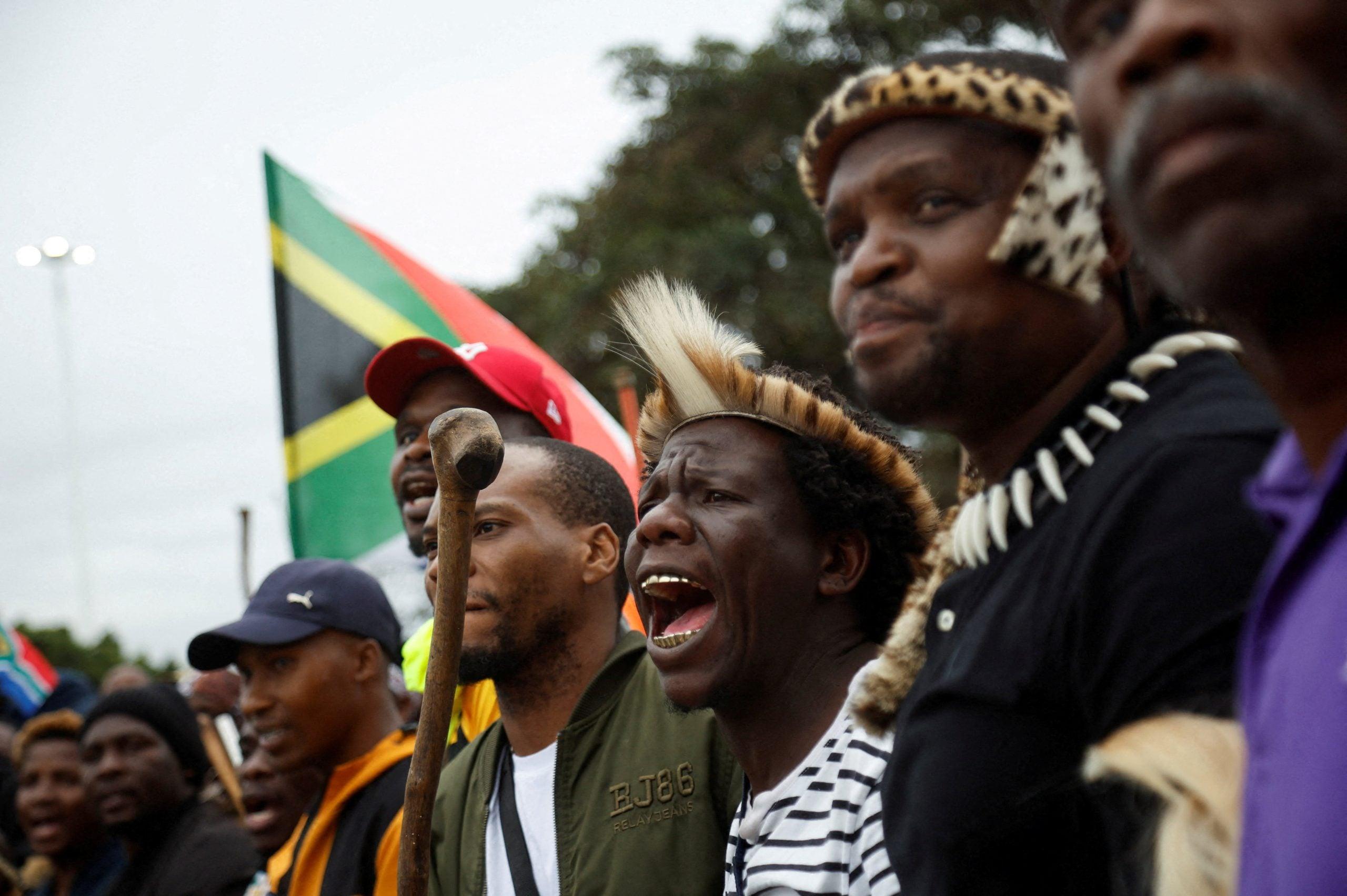
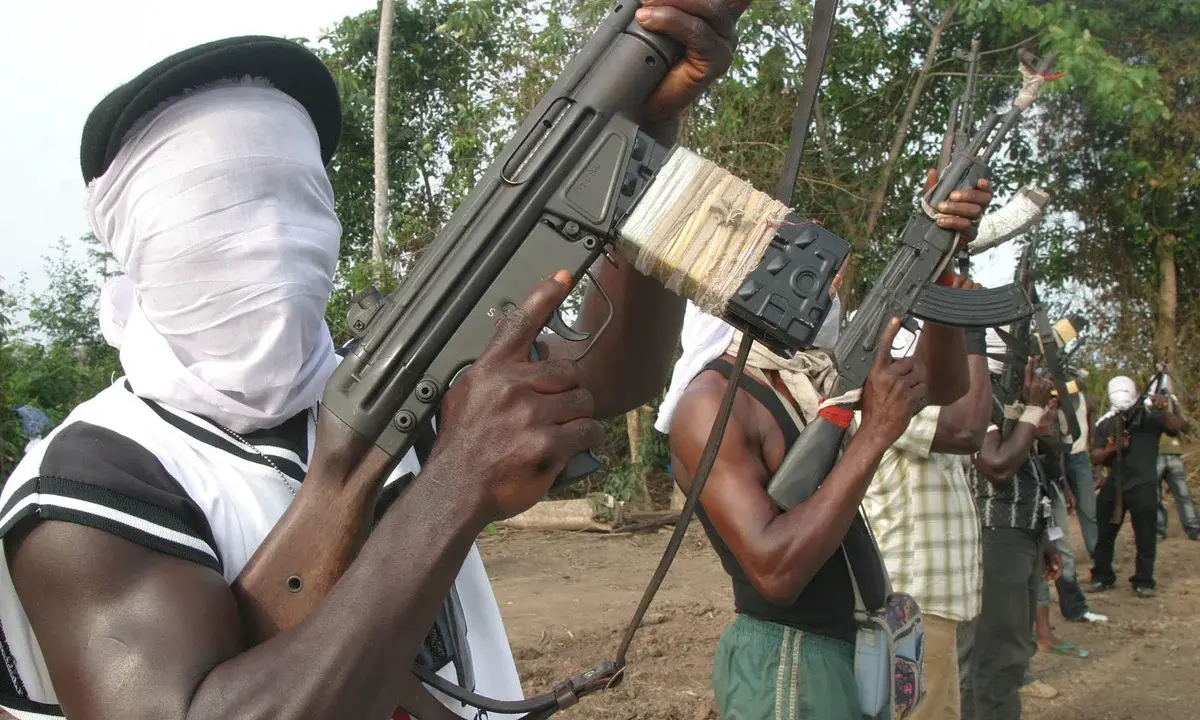
In one of the deadliest attacks in Nigeria this year, armed extremists have killed at least 162 people—with some local estimates suggesting up to 170 — in a brutal assault on villages in Kwara State’s Kaiama area. The deadliest reported strike targeted the remote communities of Woro and Nuku, where gunmen reportedly rounded up residents and shot them before burning homes and looting shops. (anews.com.tr)
What Happened in Kwara
According to reports, the attackers arrived in the villages late one evening, executed residents — many of whom were gathered for evening prayers — and torched buildings in what has been described as a massacre. Some survivors reportedly fled into nearby bushland, and dozens of people are still unaccounted for. (anews.com.tr)
Rights groups like the Red Cross have confirmed at least 162 deaths, and the casualty count may rise. The attackers are widely believed to be jihadist fighters from extremist groups operating beyond their traditional strongholds in northern Nigeria. (Wikipedia)
Government Response: Troops Deployed, But Too Late?
Critics say the government’s public response has been too slow and muted, especially given the scale of the massacre. National coverage was limited in some outlets in the immediate hours after the attack, prompting accusations that authorities are attempting to downplay a national security failure.
Opposition groups point to warnings that had reached security agencies before the massacre, claiming the government ignored credible intelligence about extremists moving into the region — a charge the presidency has denied. (Vanguard News)
Why This Matters Now
The Kwara massacre is more than a tragic headline. It exposes deep concerns about:
- Widening security gaps in areas once considered relatively peaceful
- Militant groups spreading farther south from traditional conflict zones
- Government accountability and transparency in informing citizens about threats
- Public trust in security institutions and leadership
Some Nigerians online argue that the scale of the violence warrants a full national address. Still, no such briefing has been held as of this writing—compounding public frustration and speculation about why the news has not immediately dominated national broadcasts. (Reddit)
Voices of Concern
Opposition figures, including the Peoples Democratic Party (PDP), have accused the federal government of prioritizing politics over security, saying the massacre underscores chronic failures in protecting lives and property. They are demanding independent investigations, better intelligence sharing, and an end to reactive security approaches that seem to come after disaster strikes. (Vanguard News)
Meanwhile, former officials and commentators have called for a comprehensive security overhaul that reaches beyond military deployments — including community engagement, proactive intelligence, and stronger coordination between state and federal agencies. (The Informant247)
A Nation’s Pain, and a Call for Transparency
Many Nigerians feel the government’s communication around the attack has been insufficient, leaving families and the public in the dark about both the death toll and the plan to prevent similar tragedies. For them, this is not just about numbers — it’s about accountability in the face of a worsening security crisis.
As investigations continue and military operations escalate, one question remains at the forefront of national debate:
Will Nigeria confront its security challenges openly — or suppress the truth in ways that deepen public mistrust?
BreakingPoint News will continue to update this story as more information becomes available.

Leave a comment
Your email address will not be published. Required fields are marked *