
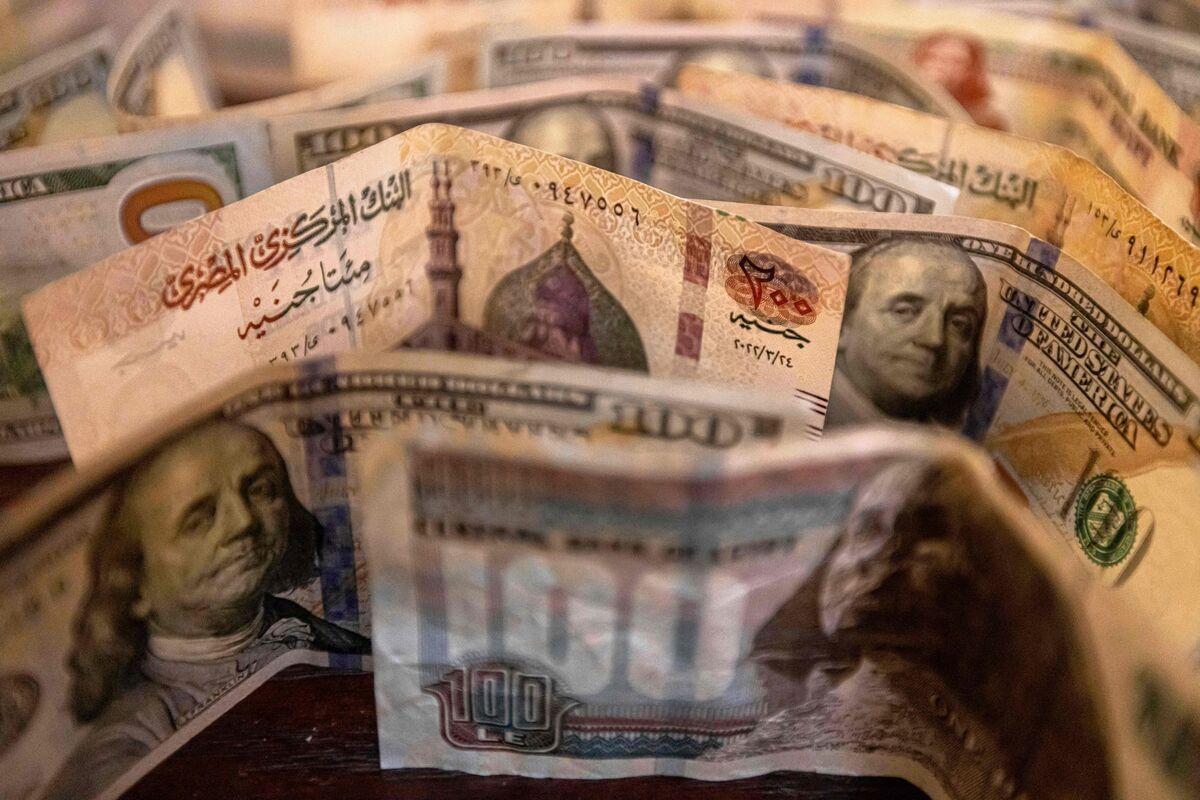
The Egyptian pound has fallen to a new low against the U.S. dollar, intensifying economic pressure on households and businesses already grappling with high inflation and rising living costs.
The decline of the Egyptian pound reflects mounting strain on the country’s foreign reserves and continued demand for dollars in import-dependent sectors. Economists say the depreciation could further push up prices of basic goods, fuel, and imported commodities.
Growing Pressure on the Economy
The weaker currency means imports are becoming more expensive for Egypt, which relies heavily on foreign goods such as wheat, fuel, and industrial materials. As a result, businesses are expected to pass higher costs to consumers, worsening inflation across the country.
Officials at the Central Bank of Egypt have previously allowed the pound to move more freely as part of economic reforms linked to financial support programs from the International Monetary Fund.
Impact on Daily Life
For many Egyptians, the falling currency translates directly into higher living costs:
- Food prices have continued to rise in urban markets.
- Imported goods such as electronics and medicine have become more expensive.
- Businesses that rely on foreign currency face increasing operational costs.
Small business owners in Cairo say they are struggling to maintain stable prices as the exchange rate fluctuates.
Government Response
Authorities say economic reforms and foreign investment projects are expected to stabilize the currency over time. Egypt has pursued large infrastructure developments and regional investment partnerships aimed at boosting foreign currency inflows.
However, analysts warn that sustained pressure on the pound could continue unless export revenues, tourism income and foreign investment significantly increase.
Outlook
Financial experts say the coming months will be critical for Egypt’s economic outlook. Stabilizing the currency will likely depend on improving investor confidence, strengthening foreign reserves and sustaining international financial support.
For now, the pound’s latest slide underscores the continuing challenges facing one of Africa’s largest economies as it navigates global economic uncertainty.

Leave a comment
Your email address will not be published. Required fields are marked *