Political tensions and security unrest in Uganda have intensified following the controversial January 15 presidential election, with violence, arrests, and accusations of repression sparking alarm both domestically and internationally.
Post-Election Violence and Security Crackdown
Days after President Yoweri Museveni was declared the winner of the presidential election with over 70 % of the vote, reports of unrest, mass detentions, and clashes between security forces and opposition supporters have surged. Museveni—who has led Uganda since 1986—secured a seventh term, a milestone that has triggered widespread criticism from his opponents
According to Uganda’s military leadership, about 2,000 opposition supporters have been detained and at least 30 killed in the weeks following the election. The military chief, General Muhoozi Kainerugaba, labelled critics of the vote “terrorists and hooligans,” underscoring the hard-line approach adopted by state forces toward dissent.
Opposition Leader in Hiding, Family Attacked
Main opposition figure Robert Kyagulanyi Ssentamu—widely known as Bobi Wine—rejected the election outcome, claiming ballot fraud and irregularities. He has since gone into hiding amid reports of violent raids on homes linked to his party.
In a widely reported incident, armed men in military uniform reportedly broke into the home of Bobi Wine’s wife, Barbara Kyagulanyi, demanding her husband’s whereabouts and assaulting her before she was hospitalized. While the army chief has denied the allegations, the event has become a symbol of the growing fears among opposition supporters and human rights advocates.
Opposition Supporters Arrested and Charged
Beyond detentions, Ugandan authorities have moved to formally charge many opposition backers. Over 100 supporters of Wine’s National Unity Platform (NUP) have been charged with offenses including unlawful assembly and conspiracy amid ongoing criticism of how the arrests have been carried out. (Reuters)
Another prominent NUP figure, Muwanga Kivumbi, was detained by police on allegations linked to electoral violence—a claim his party strongly disputes. (AP News)
Security Alert and International Concern
The United States government issued a country-wide security alert for its citizens in Uganda as tensions remain high, citing rising violence and political uncertainty following the election. (Business Insider Africa)
International rights groups and the United Nations have also raised concerns about human rights abuses, noting excessive force, arbitrary detention, and restrictions on media and communications during the electoral period. (ISS Africa)
Internet Blackout and Information Controls
In the lead-up to and immediately after the election, Uganda experienced internet shutdowns, which the government defended as necessary to curb misinformation and violence. However, critics argue that the blackout prevented transparency, fueled mistrust, and hindered independent reporting on unfolding events. (ISS Africa)
Public Reaction and Protests
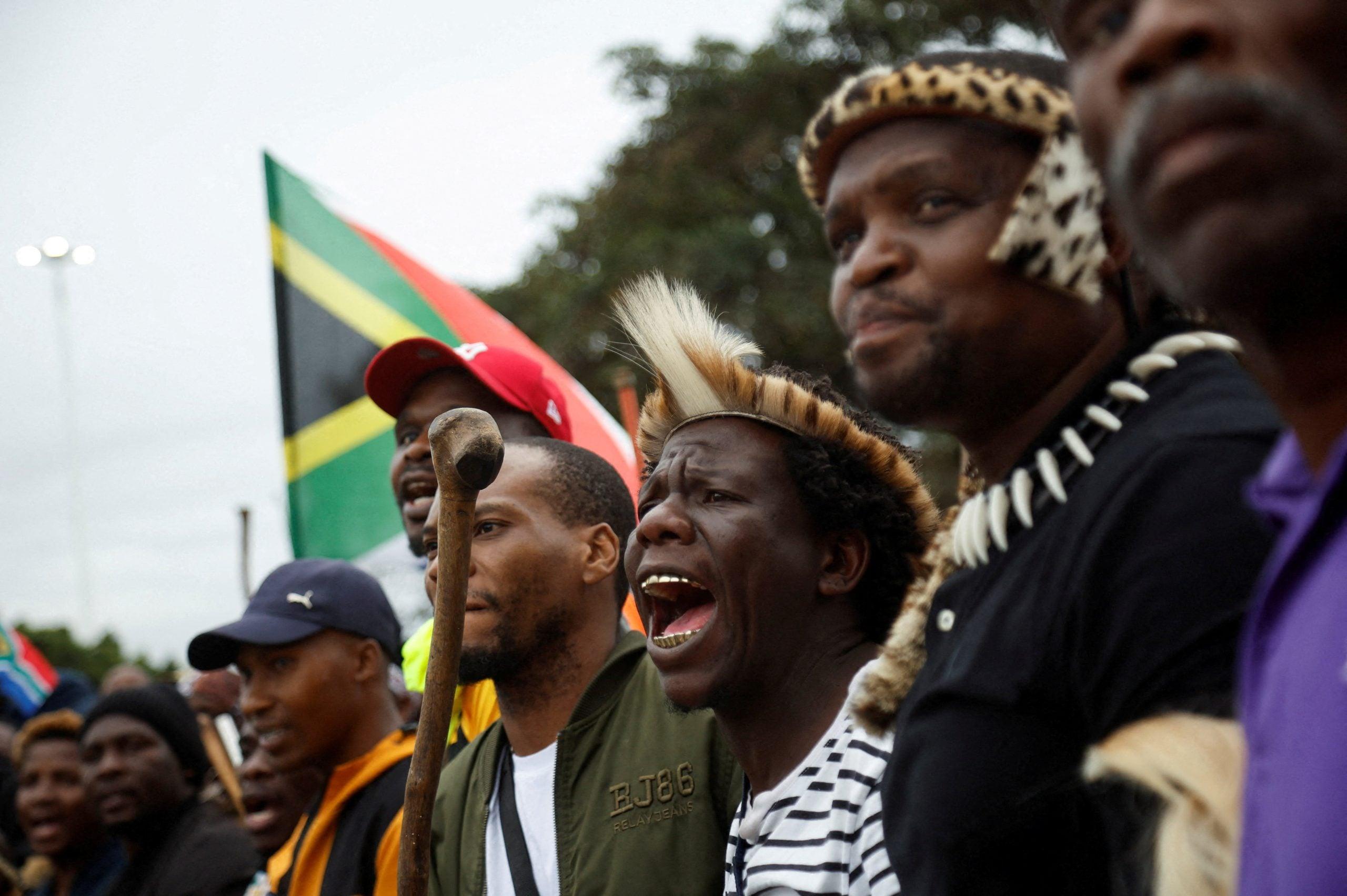
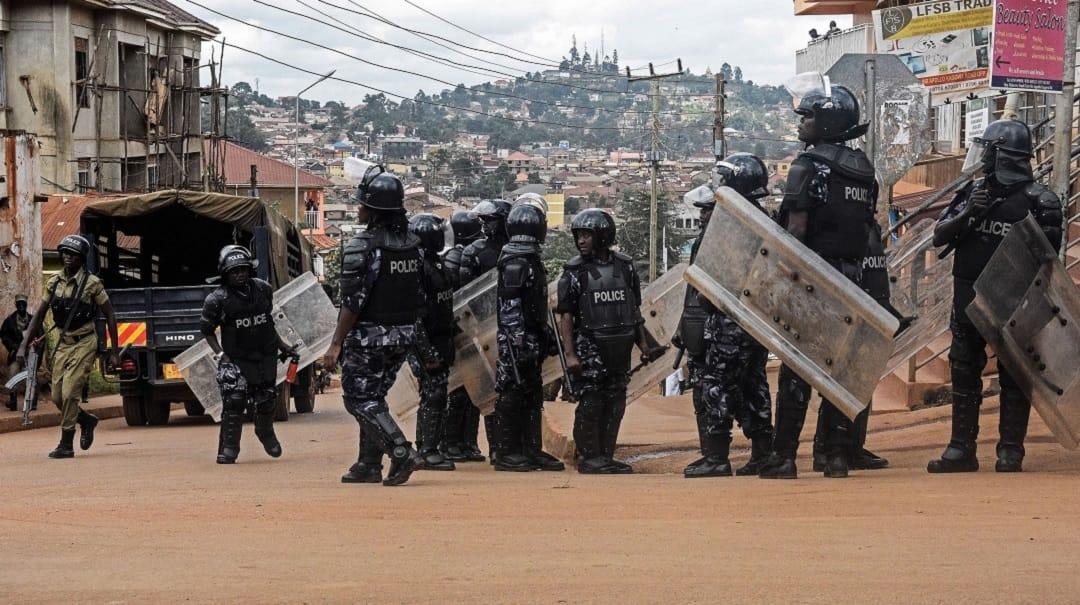
Street protests and clashes erupted in multiple cities, with demonstrations calling for democratic reforms and challenging the legitimacy of the vote. Security forces were deployed heavily in Kampala and other urban centres, with reports of teargas, stun grenades, and arrests as authorities sought to disperse crowds. (Sky News)
What This Means for Uganda’s Future
Uganda’s political crisis highlights deep divisions around elections, governance, and civil liberties in one of East Africa’s most significant nations. While the government insists stability is the priority, opposition figures and civil society groups warn that repression may further deepen mistrust and undermine democratic processes — especially among Uganda’s youthful population, many of whom had placed hopes in change. (Wikipedia)
The situation remains fluid, and international observers continue to watch developments closely as Uganda navigates the aftermath of a heated election and growing security tensions.

Leave a comment
Your email address will not be published. Required fields are marked *